Description
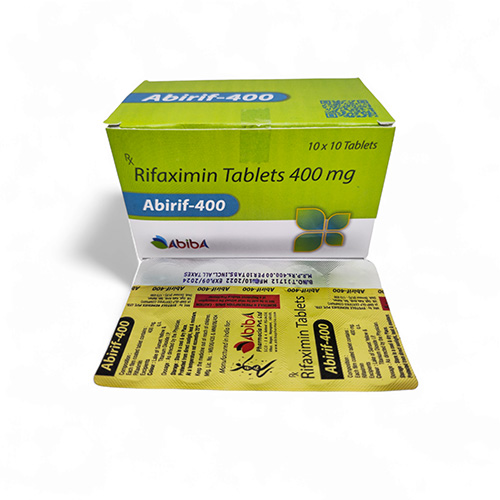
Rifaximin 400mg tablets- Rifaximin is a non-systemic antimicrobial agent that is used to treat infections of the gastrointestinal tract. The Rifaximin works locally in the intestine with minimal systemic absorption, which makes it safer and more tolerable. The most common indications for its use are traveller’s diarrhoea, hepatic encephalopathy, irritable bowel syndrome with diarrhoea (IBS-D), and other bacterial gut infections. This medicine has a targeted mechanism of action that ensures a rapid symptom relief.
The medication is widely used because of its effective health management in aging populations. These tablets are prescription-only medications to protect patients from harm, such as toxicity or addiction.
Abirif 400 is the brand name for the Rifaximin 400 tablet manufactured by Abibba Pharmacia. The company specializes in manufacturing and distributing a wide range of pharmaceutical formulations. They have a strong focus on PCD Pharma Franchise opportunities and Third-Party Manufacturing.
Mechanism of Action of Rifaximin Tablets
The rifaximin is an antibiotic that belongs to the class of Rifamycin. It covers a wide range of gram-positive, gram-negative, aerobic, and anaerobic bacteria. The working mechanism of this antibiotic is based on binding to the beta subunit of the bacterial DNA and RNA. This prevents bacterial growth and death by stopping its replication.
Due to medicine’s low absorption power, it reaches high concentrations in the gut lumen without causing significant systemic effects. It reduces intestinal ammonia-producing bacteria, which helps decrease blood ammonia levels and prevents neurological complications.
Beyond killing bacteria, it may reduce mucosal inflammation, decrease bacterial translocation across the gut wall, and affect gut-immune signaling.
Dosages and Administration
The dosage of this medicine varies depending on different conditions, some of which are mentioned below.
- In the treatment of traveller’s diarrhoea, the recommended dose is three times daily of a 200mg tablet
- In case of Hepatic Encephalopathy, the dose is 400 mg two to three times daily as prescribed by the physician.
- In case of IBS with diarrhoea (IBS-D), the normal dose is 400–550 mg three times daily for 10–14 days, depending on severity.
Administration
- The tablet must be taken orally with or without food.
- Patients must complete the full course of the medication.
- Only used if prescribed by the doctor, self-medication can cause serious health issues or unwanted reactions and conditions.
Possible Side Effects of Rifaximin Tablets
Rifaximin tablets may show some of the common side effects which are normally adapted by the body, but in case it persists, consult your doctor as soon as possible. Some of the possible side effects of this medication are:
- Nausea or vomiting
- Abdominal pain or bloating
- Flatulence
Precautions While Using Rifaximin Tablets
To use the medicine effectively and without any unwanted side effects, we must follow some precautions, such as :
- The medication is not recommended for patients with liver impairment, unless it is prescribed by the doctor.
- Must avoid prolonged use of it as it can increase the risk of bacterial resistance.
- In case of pregnancy or planning for it, you must inform your doctor.
- If the patient has a history of antibiotic-associated colitis, use the medication cautiously.
- If symptoms do not improve within 24-48 hours or worsen, stop taking the medication and consult your doctor.
- Do not take rifaximin if you have a known hypersensitivity to rifaximin or rifamycins (e.g., rifampin).
Storage Instructions for Rifaximin Tablets
- Store the medicine in a cool and dry place
- Avoid direct contact with sunlight
- Keep out of children’s use.
Frequently Asked Questions
Q1- Is it safe to take Rifaximin with probiotics?
A- Rifaximin is safe and beneficial to take with probiotics, as the combination of both helps reduce common antibiotic side effects like diarrhea.
Q2- Why is rifaximin so expensive compared to other antibiotics?
A- The medication is expensive because of its non-absorbability, high efficacy profile for gastrointestinal conditions, and less generic competition in some regions.
Q3- Is rifaximin safe for children?
A- It may be prescribed for children above 12 years under medical supervision. For younger children, consult a paediatrician.
Q4- How long will the rifaximin tablets take to start working?
A- Most people start feeling better within 24 to 48 hours. But do not stop the medicine early, even if you feel fine. Always complete the full course your doctor has prescribed.
Q5- Can I take rifaximin for food poisoning?
A- Not always. Rifaximin works for traveler’s diarrhea, but it is not the right choice if you have fever or see blood in your stool. In such cases, see a doctor right away instead of self-medicating.
Q6- Can rifaximin cause constipation instead of relieving diarrhea?
A- Yes, some people may notice constipation during the treatment. This is usually temporary. Once the course is done, your bowel movements should go back to normal on their own.
Q7- What foods should you avoid while taking rifaximin?
A- Avoid grapefruit and grapefruit juice during the course. Grapefruit can affect how the drug moves through your body, which may reduce its effectiveness. Stick to a simple, easy-to-digest diet while on medication.